
Things to Do in Madinah: Best Guide for Pilgrims and Travelers
There is Madinah. If you’ve ever stepped into this city, even once in your life, you know what I’m about to say: Madinah doesn’t “feel” like a destination. It reminds you of a house you had some recollection of, despite the fact that you have never resided there. You see, at the very first sight, perhaps after a long flight, or one of the road trips to Makkah, something that is not very big but is clear enough:
Your shoulders drop a little.
There’s a softness in the air.
It’s like the city whispers,
“You’re safe here.”
Every pilgrim has their own story with Madinah…
This is mine, woven with yours, wrapped in history, memory, and the stillness of a city built on mercy. Let me walk you through the most meaningful things to do here, not as a guide, but as someone who has stood where you’ll stand, felt what you may feel, and carried Madinah home in their heart long after leaving.
Masjid al-Nabawi: Where Time Feels Different
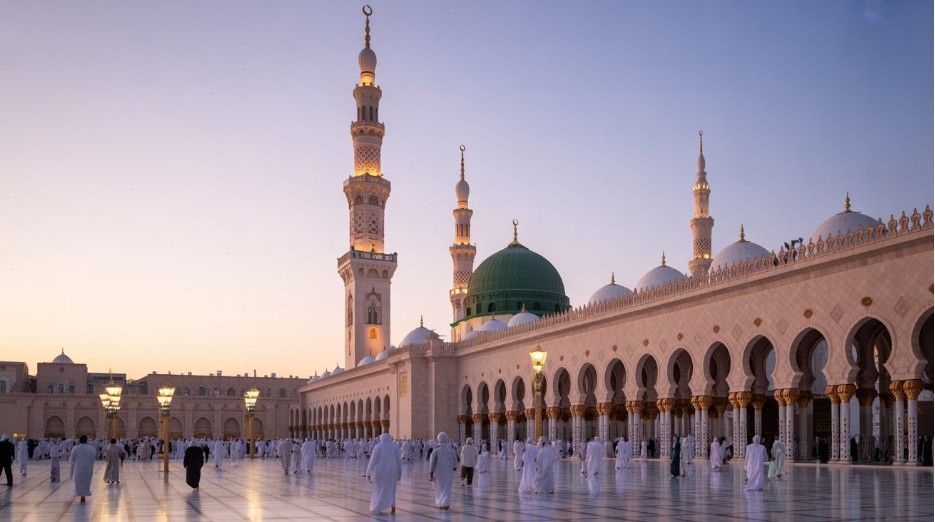
Everyone has a time when they first see Masjid al-Nabawi. It is by far in the morning, and the light is soft, and the umbrellas are not unfolded so high as the white sentinels. It may be following Maghrib when the golden glow falls upon the marble. But there is a time. A quiet one. At where you get caught in your breath, and for a moment, you forget all.
The world is slower inside the mosque. You can hear the shuffle of sandaled feet, the rustle of pages being turned, and people praying all over the globe, thousands of miles away, murmuring du'a. Various languages, various countenances, all enlivened by the same love. At times, I sit down on the cold marble, lean back a little, and allow the basicness of the situation to seep No rush. No noise. Just presence.
Rawdah: A Moment Your Heart Saves Forever
Entering Rawdah is never just “entering a place.” It’s stepping into a feeling. You might wait long, or maybe things go smoothly, but once you step onto the green carpet, everything becomes softer. You kneel, you begin your prayer or du’a… and something happens inside. A tightness loosens. A heaviness melts. A tear you didn’t expect sometimes falls. Many pilgrims say, “I don’t remember what I prayed for, I only remember how it felt.” And truly... that’s Rawdah.
Jannat al-Baqi: The Quiet That Teaches You
Baqi is not a place of grand structures. No marble gates. No monuments. Just sand.
Low walls.And the weight of thousands of stories beneath your feet.
Standing there, where the family of the Prophet ﷺ, his companions, scholars, and the earliest believers rest… You feel your own pride soften.
Nobody leaves Baqi the same.
Everyone walks away a little quieter, a little humbler, and strangely… a little lighter, too.
Quba Mosque: A Sunnah Wrapped in Peace
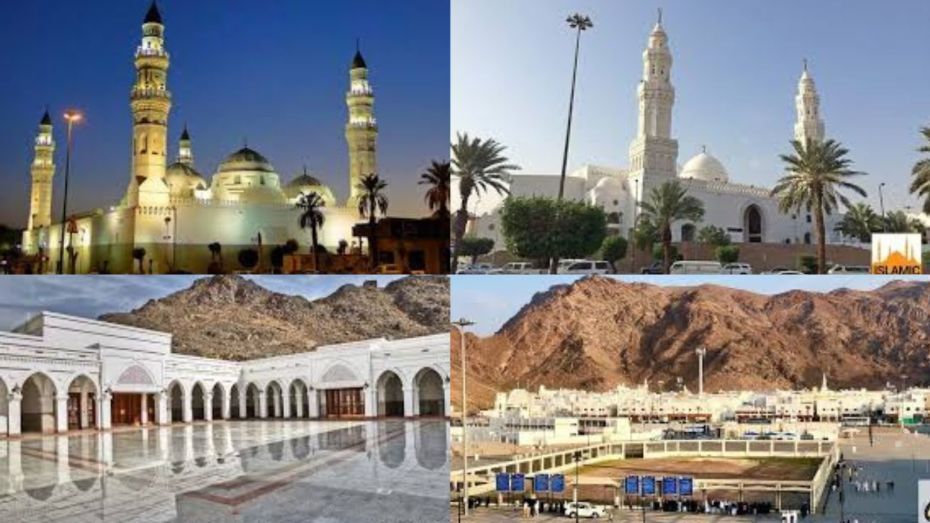
The journey to Quba is just as special as praying there. You walk past small shops, children running with schoolbags, date sellers greeting you with “Assalamualaikum” as if they know your soul needs warmth.
The Prophet ﷺ used to visit Quba every Saturday. It’s said that praying two rak’ah there has a reward like Umrah. But beyond the reward, the mosque holds a gentle calm.
It doesn’t overwhelm you; it sits with you.
Masjid al-Qiblatain: Where Allah Changed the Direction of Hearts
Imagine being in prayer and receiving a revelation that instantly changes the direction of worship for the entire Ummah. That happened here. The walls of Masjid al-Qiblatain feel like they still remember that moment, the shift, the obedience, the unity. When you stand inside, try closing your eyes for a moment. Picture the scene. Feel the transformation. It’s humbling.
The Seven Mosques: History That Whispers, Not Shouts
People often overlook Saba Masajid, but if you love connecting with history, go near sunset. The light becomes golden. The shadows stretch long. And there’s a warm breeze that carries a faint memory of old battles, du’a, courage, and patience. Walk slowly. Take your time.
History here is quiet, but if you listen, it speaks.
Mount Uhud: A Mountain That Feels Alive
The Prophet ﷺ said:
“Uhud is a mountain that loves us, and we love it.”
The first time I heard that hadith, I thought it was metaphorical. But when you stand before Uhud really stand you really understand. There’s a strange warmth in the air. A sense of loyalty. A heaviness filled with sacrifice. The graves of the martyrs are simple, fenced, humble… but emotionally powerful. You don’t talk much at Uhud. You feel. And Uhud feels you back.
The Madinah Museum: Turning History Into Touch
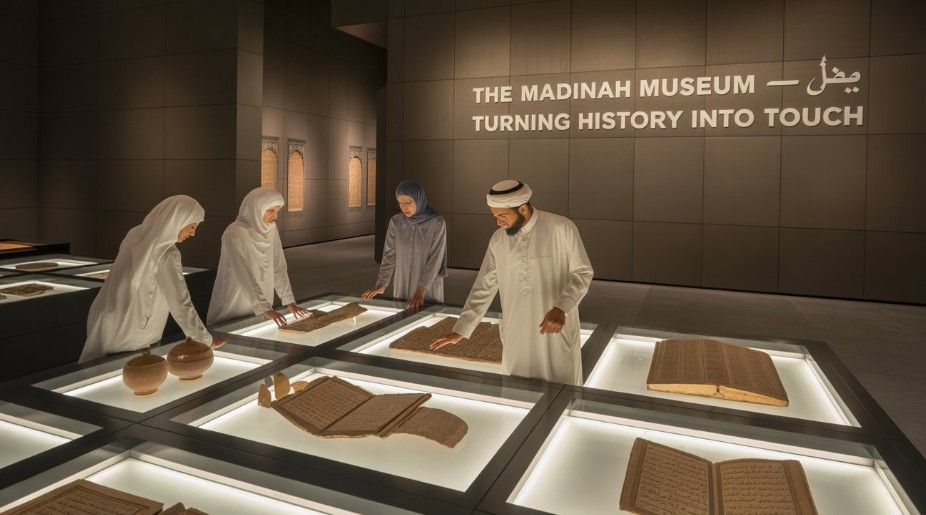
If you want to understand Madinah not just spiritually but historically, visit the museum. The old maps, the battle diagrams, the early Islamic coins, the descriptions of markets… everything suddenly becomes physical.
Islam stops feeling like something you memorized in school. It becomes a story. A timeline. A lived world.
The Small Moments: The Ones You Remember Most
These aren’t official “things to do,” but trust me… these are the ones your heart will take home:
- Watching the umbrellas slowly open at Fajr like giant white petals
- Listening to Qur’ān echo softly through the courtyard at night
- Buying dates that taste unbelievably soft and sweet
- Sitting on the marble after Isha with a cup of karak tea
- Hearing a child giggle inside the mosque is a reminder that peace isn’t always silence
Helpful Table for Pilgrims
| Place | Why It Matters | Best Time to Visit |
|---|---|---|
| Masjid an-Nabawi | Peace, worship, closeness to the Prophet ﷺ | Fajr, Isha |
| Rawdah | Garden from Jannah | Scheduled slot |
| Quba Mosque | Sunnah = reward of Umrah | Early morning |
| Qiblatain | Site of Qiblah change | Afternoon |
| Seven Mosques | Battle of the Trench history | Before sunset |
| Mount Uhud | Martyrs & love of the Prophet ﷺ | Morning |
| Jannat al-Baqi | Reflection & humility | After Fajr |
Conclusion
Leaving Madinah is one of the strangest feelings. You close your suitcase. You look at the mosque one last time. Something inside your chest shifts… and you realize: Madinah doesn’t let you leave empty. It puts something in your heart - a kind of softness, lightness, yearning - that goes away with you when your plane gets off. You carry Madinah home.
In your prayers.
In your quiet moments.
In the small ache that whispers,
“InshaAllah… I’ll return.”
FAQs
Is Madinah better to visit before or after Makkah?
Both orders work, but many prefer Madinah first because it prepares the heart gently.
Is Rawdah emotional for everyone?
For most people, yes.Even those who don’t cry feel something shift.
Is Madinah safe for families?
Yes, you’ll see families walking peacefully late into the night.
How long should I stay?
Three to four days is ideal, long enough to absorb the atmosphere without rushing.